
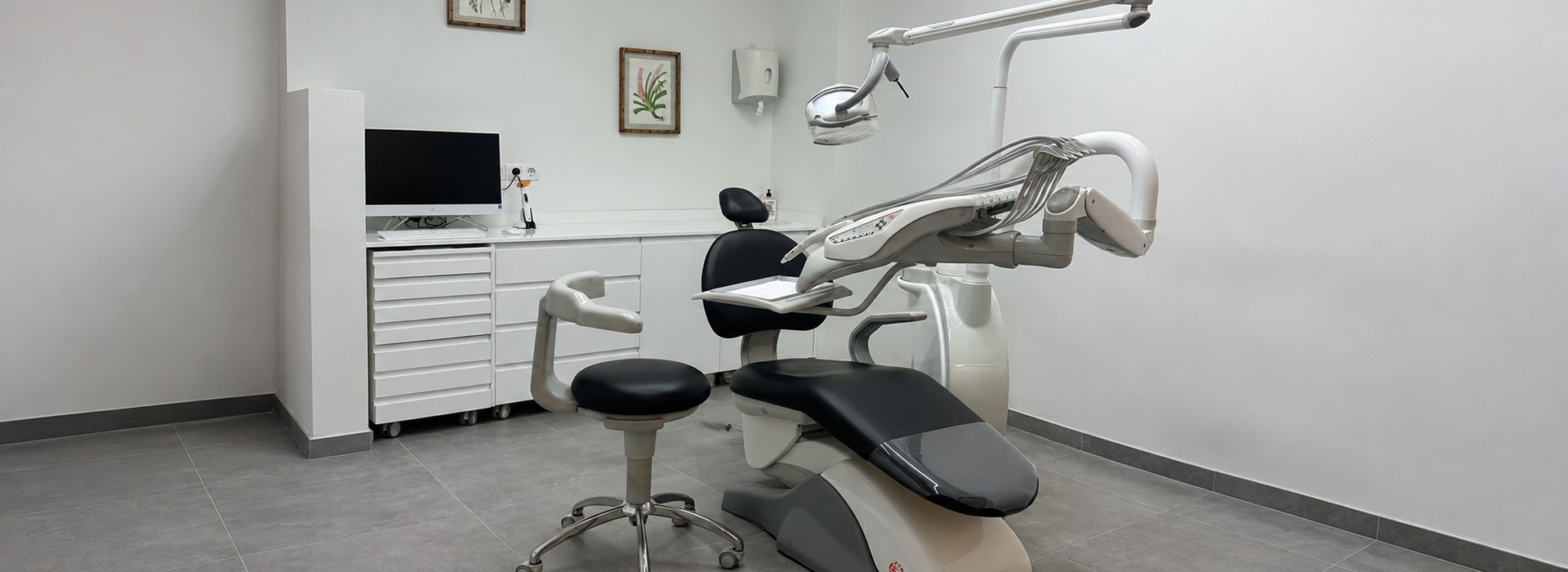
What it is
Oral surgery includes simple and complex extractions, wisdom-tooth surgery and other minor procedures carried out under local anaesthetic.
What it can help with
It treats teeth or roots that cannot be restored, recurrent infection, problematic wisdom teeth and selected surgical conditions.
What we treat surgically
These are the procedures we carry out most often, all under local anaesthetic.
Wisdom teeth
Impacted or partially erupted third molars, or teeth pushing against their neighbours. We assess with an X-ray whether removal is warranted and when.
Simple extractions
Teeth with extensive decay, fracture or mobility that no longer have a reasonable prognosis.
Complex extractions
Fractured roots, retained root fragments or teeth requiring a planned surgical approach.
Pre-prosthetic surgery
Preparing the site when an implant or a prosthesis is to follow.
Frenula and soft tissue
Minor procedures on gum and frenula when they interfere with function or with another treatment.
Surgery after an emergency
When an infection or trauma is stabilised first and then needs a planned procedure.
How it works
We review the X-ray, explain alternatives and risks, carry out the procedure with local anaesthetic and provide written aftercare.
Before extracting, we look at saving
When it can be saved
If the root is intact and bone support is sufficient, root canal treatment, a rebuild or gum treatment is usually a better option than extraction. Your own tooth is always worth more.
When extraction is sensible
Vertical root fractures, decay below the bone level, advanced mobility, or wisdom teeth damaging the adjacent tooth. Delaying usually means more pain and more complex treatment later.
We always explain both routes with their prognosis and cost, and you decide with the information in front of you.
Who it may suit
It may be appropriate when preserving the tooth is no longer predictable or when delaying treatment is likely to increase pain or infection.
Benefits and limitations
Treatment removes the source of a problem, but temporary swelling and discomfort are expected. Recovery depends on complexity and general health.
Your recovery, day by day
First 24 hours
Bite on the gauze as instructed, apply intermittent cold to the cheek and rest with your head elevated. No vigorous rinsing, exercise, alcohol or smoking.
Days 2 and 3
Swelling usually peaks at 48 hours and then subsides. Continue the pain-relief regime, eat soft and lukewarm food, and start gentle rinses if we have advised them.
Days 4 to 7
Discomfort fades and you gradually return to your normal diet. If there are stitches, we remove them at a check-up after 7–10 days.
Call us if bleeding does not settle after several hours, pain increases from day three rather than easing, you develop a fever, or swelling grows rapidly.
Why Clínica Lubens
You know the plan, cost and likely recovery before the appointment, with a contact route if you are worried afterwards.
Need a surgical assessment?
We diagnose with an X-ray, explain the alternatives and give you a written estimate before anything is decided.
Your clinical team
Your treatment is carried out by clinicians with relevant training and experience. Their languages and professional registration are shown below.
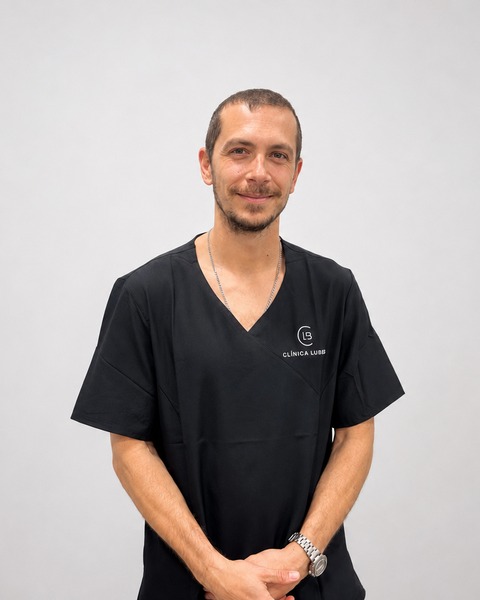
Dr. Alejandro Cordero
- Languages
- Español, English, Português
- Registration
- COEV 46005753
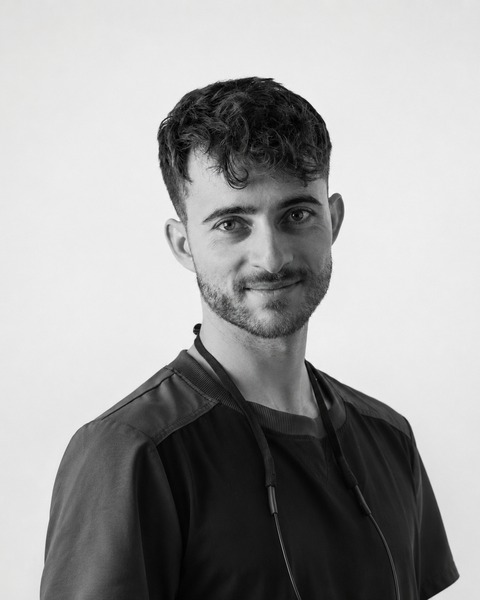
Dr. Julio García Algarra
- Languages
- Español, English
- Registration
- COEV 46005026
Common questions
- What surgery do you provide?
- Simple and complex extractions, wisdom-tooth surgery and selected minor oral procedures.
- Will I need time off?
- Many patients return to normal activity the next day, but complex surgery may require a few quieter days.
- What if I am taking medication?
- Tell us about all medication and medical conditions before treatment, particularly anticoagulants or antiresorptive drugs.
- Does the procedure hurt?
- No. It is done under local anaesthetic: you will feel pressure or movement, but not pain. If you feel anything uncomfortable, say so and we adjust before continuing.
- Do stitches need removing?
- It depends on the case. When we use non-resorbable sutures, they are removed at a quick, painless check-up after 7–10 days.
- Can I eat normally afterwards?
- For the first 24–48 hours it is best to eat soft, cool or lukewarm food, chewing on the other side. After that you gradually return to your usual diet.
- Can the extraction be avoided?
- Where possible, yes, and we always explore that first: root canal treatment, a rebuild or gum treatment. We only propose extraction when the tooth has no reasonable prognosis.
- Why does smoking matter so much afterwards?
- Not smoking for at least 72 hours is the single biggest thing you can do to avoid dry socket, where the bone is left exposed and becomes very painful.
Your assessment at Clínica Lubens
- We listen to what is bothering you and review the relevant history.
- We examine your mouth and recommend imaging only when needed.
- You receive clear options and a written estimate before deciding.