
What it is
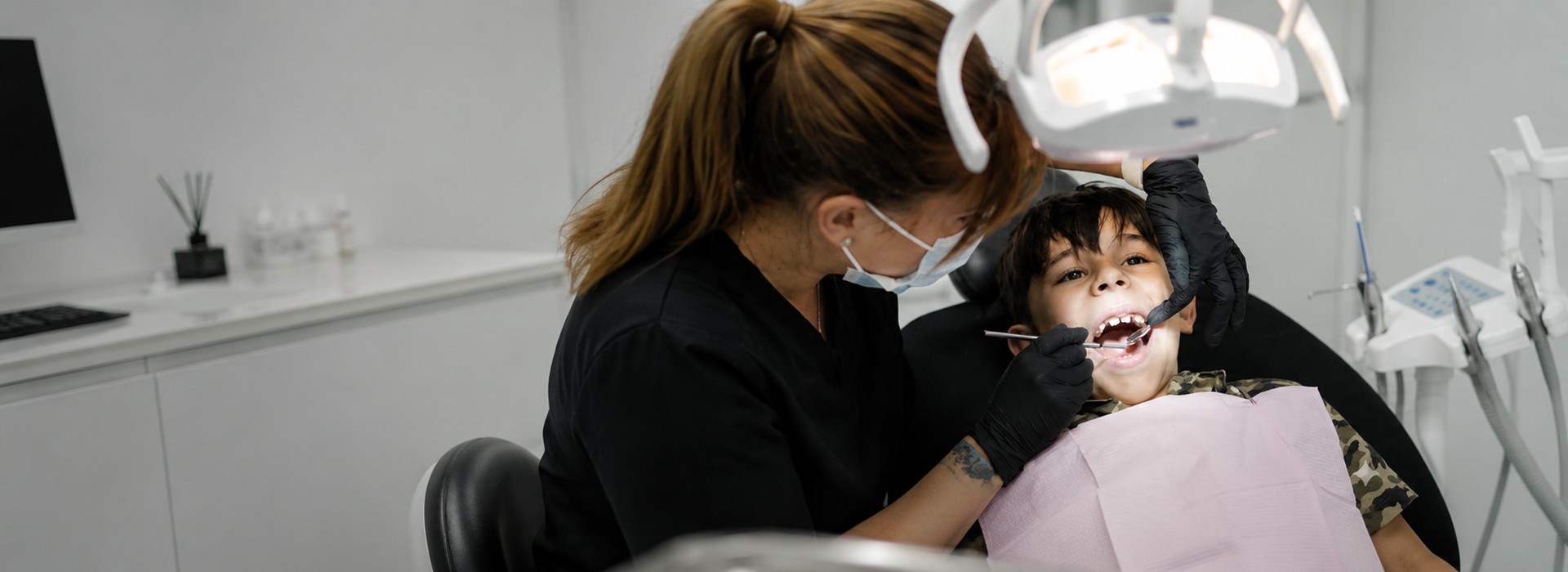
We see patients from birth — including maternal-infant consultations — through to the teenage years, for check-ups, prevention and treatment adapted to their age, led by Dra. María Ximena Ramos Vernieri, who specialises in comprehensive, integrative paediatric dentistry. The aim is for the dental visit to be a calm experience rather than something to fear.
What it can help with
It covers prevention, decay in baby and adult teeth, bite development, habits such as dummy or thumb sucking, and dental emergencies after a knock or with pain.
How we make sure they come without fear
A child who leaves their first visit happy becomes an adult who visits the dentist without anxiety. That is the most important part of our work.
Gradual desensitisation
First getting to know the room, sitting in the chair, seeing the mirror. Sometimes the first appointment is only that — and that is perfectly fine.
We explain it to them
We tell your child what we are going to do in words they understand, letting them touch the instruments. Nothing happens without them knowing what it is first.
We never force it
If one day they do not want to, we stop. A short, positive appointment beats a long one that leaves them frightened for years.
How the first visit works
Before the appointment we send a short medical history to understand your child's health, development and habits. On the day, we ask you to bring their toothbrush.
What the first visit includes
Full assessment
Teeth, function, development and eating habits.
Brushing technique
Adapted to their age and their motor skills.
Family education
Guidance aimed at the whole household, not only the child.
Settling in
Gentle desensitisation so they feel safe from day one.
Who it may suit
It suits babies and children from birth — including maternal-infant consultations — on their first dental visit, families looking for patient, unhurried care, children with dental anxiety who need gradual settling in, and children with disabilities, autism or ADHD who need inclusive, adapted care.
The treatments we offer
Prevention
Check-ups, preventive cleaning, fluoride and sealants to protect teeth before decay appears.
Minimal intervention
Remineralising treatment to arrest early decay and therapeutic sealants: the less the tooth is touched, the better.
Restorations
Rebuilds and aesthetic crowns, in both baby and adult teeth, preserving as much healthy tooth as possible.
Pulp therapy
Pulpotomy or pulpectomy when decay has reached the nerve and the tooth can still be saved.
Neuro-occlusal rehabilitation
Supporting the development of the bite and chewing function during growth, with myofunctional therapy when needed.
Minor surgery
Treatment for a short lingual frenulum (tongue-tie) and extractions when necessary, always with the same careful approach.
We also see children's dental emergencies after a knock, or with pain or swelling.
Benefits and limitations
Early, minimally invasive care preserves more healthy tooth and builds a positive relationship with the dentist. It cannot, however, compensate for what happens at home: diet and daily brushing matter more than an annual visit.
When to bring them, by age
0–5 years
Maternal-infant consultations from birth, checking eruption and habits such as dummy or thumb sucking. Prevention and good brushing habits from the start.
6–9 years
The mixed dentition phase: first adult molars and incisors arrive. A good moment for sealants and for assessing the bite.
10 and up
Mixed and adult dentition. Keeping an eye on hygiene in the pre-teen years and coordinating with orthodontics if needed.
Tips for families: never use the dentist as a threat, avoid phrases like "it won't hurt" (they suggest it might), brush for them until around age seven, watch snacking frequency more than quantity, and never put them to bed with a bottle or juice.
Why Clínica Lubens
Respectful, minimal-intervention paediatric dentistry: the less we need to touch, the better. Parents always come into the room with their child, and the consultation price is shown before you book.
Is it their first visit to the dentist?
Book the paediatric appointment: a full assessment and a gentle settling-in process so they leave happy and want to come back.
Your clinical team
Your child is seen by a clinician with specific training in paediatric dentistry. Her languages and professional registration are shown below.
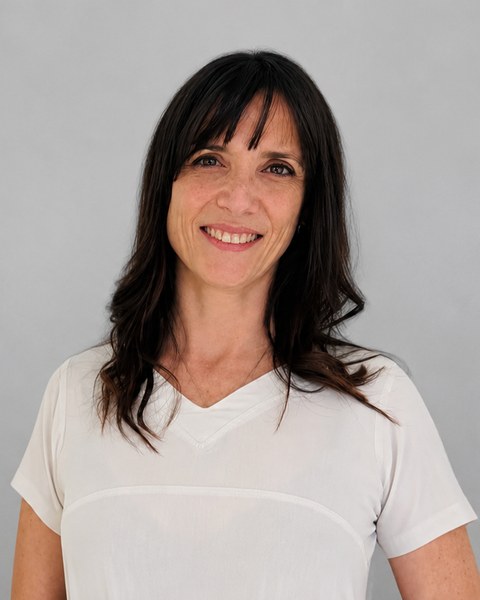
Dra. María Ximena Ramos Vernieri
- Languages
- Español, English
- Registration
- COEV 46006077
Author: Nico Díaz · Editorial coordination
Clinically reviewed by: Dra. María Ximena Ramos Vernieri
Reviewed 27/07/2026
Common questions
- From what age do you see children?
- From birth: we offer maternal-infant consultations and continue supporting your child at every stage, with visits designed to help them get used to the clinic without fear.
- What does the first visit include?
- A full assessment (teeth, function, development and eating habits), brushing techniques adapted to their age and motor skills, health education aimed at the whole family, and a gentle desensitisation and settling-in process so your child feels safe.
- Should I bring anything on the day?
- Yes, we ask you to bring your child's toothbrush.
- Do you see children with disabilities?
- Yes, we treat special needs patients with inclusive care adapted to each child's needs, including autistic children and children with ADHD.
- Can I stay with my child during the appointment?
- Yes, parents or carers always come into the room with the patient.
- Do you do children's orthodontics too?
- Yes, see our children's orthodontics page for more detail. Both clinics are coordinated within the same practice.
- Do baby teeth with decay need treating?
- Yes. Even though they will fall out, decay in a baby tooth can hurt, become infected and affect the adult tooth developing behind it. It also affects the space available for the permanent dentition.
- What if my child gets very anxious or will not cooperate?
- That is completely normal and we plan for it. We work with gradual desensitisation: sometimes the first appointment is just getting to know the room. We never force anything.
- What do I do if they knock a tooth?
- Call us as soon as possible. If an adult tooth has come out whole, the first hour is decisive: keep it in milk and come straight in. See our dental emergencies page.
Book the paediatric dentistry appointment
- A full assessment: teeth, function, development and habits.
- A gentle settling-in process so your child feels safe.
- A follow-up or treatment plan explained clearly, in writing.