
What it is
Monitoring jaw growth and tooth position from an early age means problems can often be corrected with simpler, shorter treatment. We see children from age two, coordinated with our paediatric dentistry clinic.
What it can help with
It addresses crossbite, visible crowding, habits such as thumb or dummy sucking, mouth breathing and baby teeth that do not fall out or adult teeth erupting badly.
Why early detection matters
Some problems that can be solved at eight by guiding growth need far longer treatment at sixteen.
Bone is still mouldable
During growth, jaw development can be guided. Once growth finishes, only the teeth themselves can be moved.
Habits are easier to correct
Thumb sucking, prolonged dummy use or mouth breathing alter the shape of the palate if they persist. Spotting them early prevents the consequence.
Shorter treatment overall
A simple early intervention can save years of complex orthodontics in adolescence — or even surgery.
Signs worth checking: crossbite, visible crowding, thumb or dummy sucking beyond age three or four, habitual mouth breathing or snoring, difficulty chewing, and baby teeth that will not fall out.
How it works
We review jaw growth, the bite, habits and the stage of tooth replacement, then tell you honestly whether to act now, wait, or simply monitor.
The two phases of treatment
First phase (6–10 years)
Focused on guiding jaw growth and correcting habits, not on aligning every tooth. Usually short, with simple and often removable appliances.
Second phase (11 onwards)
Once all the adult teeth are through, the smile is aligned with braces or aligners. If the first phase went well, this one is usually shorter and simpler.
Not every child needs both phases. Many only need the second, and some need neither.
Who it may suit
It suits children from two years old with a crossbite, visible crowding or persistent habits, and families who want to get ahead of more complex problems in adolescence.
Benefits and limitations
Early treatment takes advantage of growth and can avoid much longer treatment later, but it does not always remove the need for a second phase in adolescence — though it usually shortens it.
So they come without fear
We explain it to them
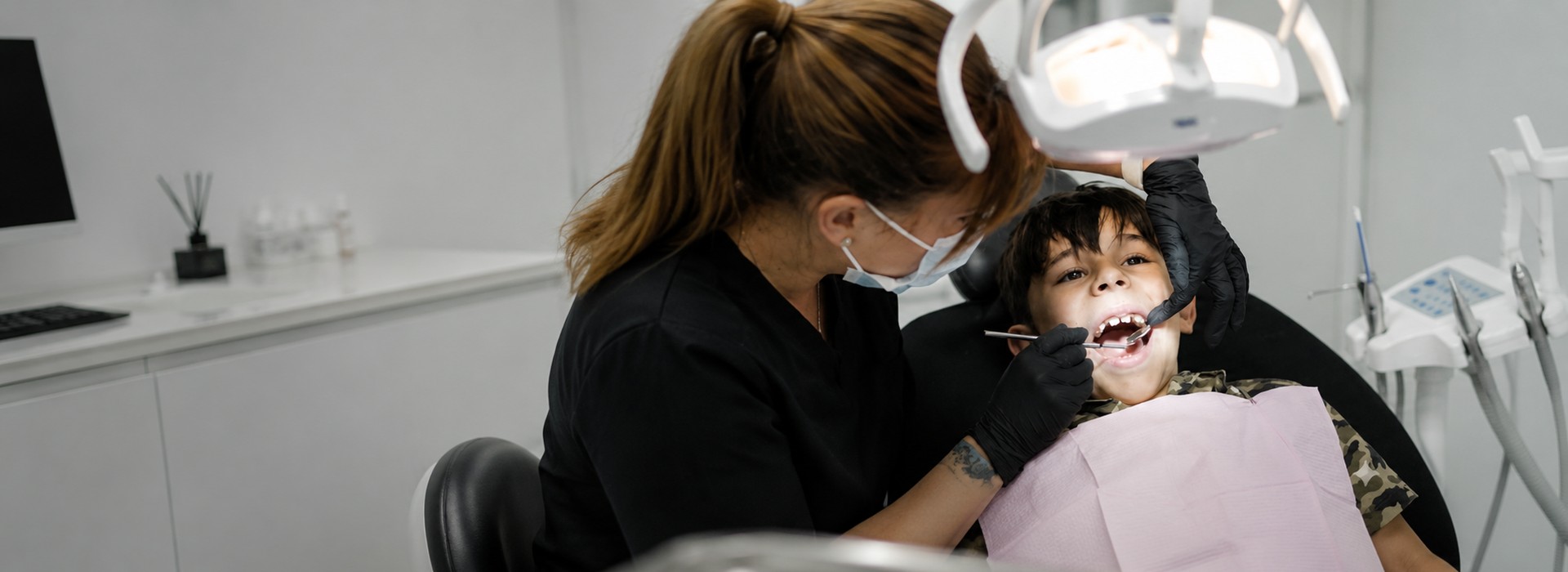
We tell your child what we are going to do before we do it, in words they understand, letting them touch the instruments if they want to.
No rushing
If one day they will not open their mouth, we do not force it. A short, positive appointment beats a long, distressing one.
Adapted to each child
Specific experience supporting autistic and ADHD children, adjusting the pace, the stimuli and the length of the appointment.
Why Clínica Lubens
Honesty first: if your child only needs monitoring, we will not fit an appliance. Most children we see at this age do not need one yet.
Not sure whether your child needs orthodontics?
Come for an assessment: we check their growth and bite and tell you clearly whether to act now or simply monitor.
Your clinical team
Your treatment is carried out by clinicians with relevant training and experience. Their languages and professional registration are shown below.
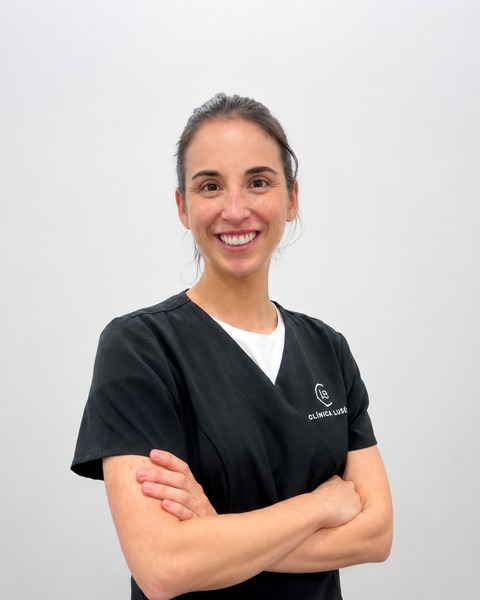
Dra. Macarena Remohi Martínez-Medina
- Languages
- Español, English
- Registration
- COEV 46004282
Author: Nico Díaz · Editorial coordination
Clinically reviewed by: Dra. Macarena Remohí Martínez-Medina
Reviewed 27/07/2026
Common questions
- Why start orthodontics so early?
- From age two we can monitor jaw growth and spot habits, such as thumb or dummy sucking, which can affect the bite later if they continue.
- Do all children need orthodontics at this age?
- No, and it matters to say so. Very often monitoring is all that is needed. We explain this clearly at the first review rather than proposing an appliance by default.
- Can it be combined with Invisalign for children?
- Yes, clear aligners for children exist for certain cases, and we assess this for each child and their growth stage.
- When is the first orthodontic check?
- We monitor from age two within paediatric dentistry reviews. A specifically orthodontic assessment usually makes sense around six or seven, when the first adult molars and incisors appear.
- Will it hurt or bother them?
- Children's appliances are gentle. There can be a few days of adapting to speaking or eating, but not pain. We always explain to the child what we are about to do.
- What if my child still sucks their thumb?
- It is not a cause for alarm, but it is worth assessing. If the habit continues once the adult teeth come through it can alter the bite. There are simple appliances and strategies to help them stop.
- Will they need orthodontics again as a teenager?
- Sometimes yes. Early orthodontics does not always avoid a second phase, but it usually makes it shorter and simpler. We tell you honestly from the start.
- Do you treat children with autism or ADHD?
- Yes. Our paediatric dentistry clinic has specific experience supporting neurodivergent children, with appointments adapted in pace, stimuli and length.
Your orthodontic assessment at Clínica Lubens
- We examine your bite, tooth position and gum health.
- We explain whether aligners, braces or simply monitoring suits you best.
- You receive a realistic duration estimate and a written quote.