
What it is
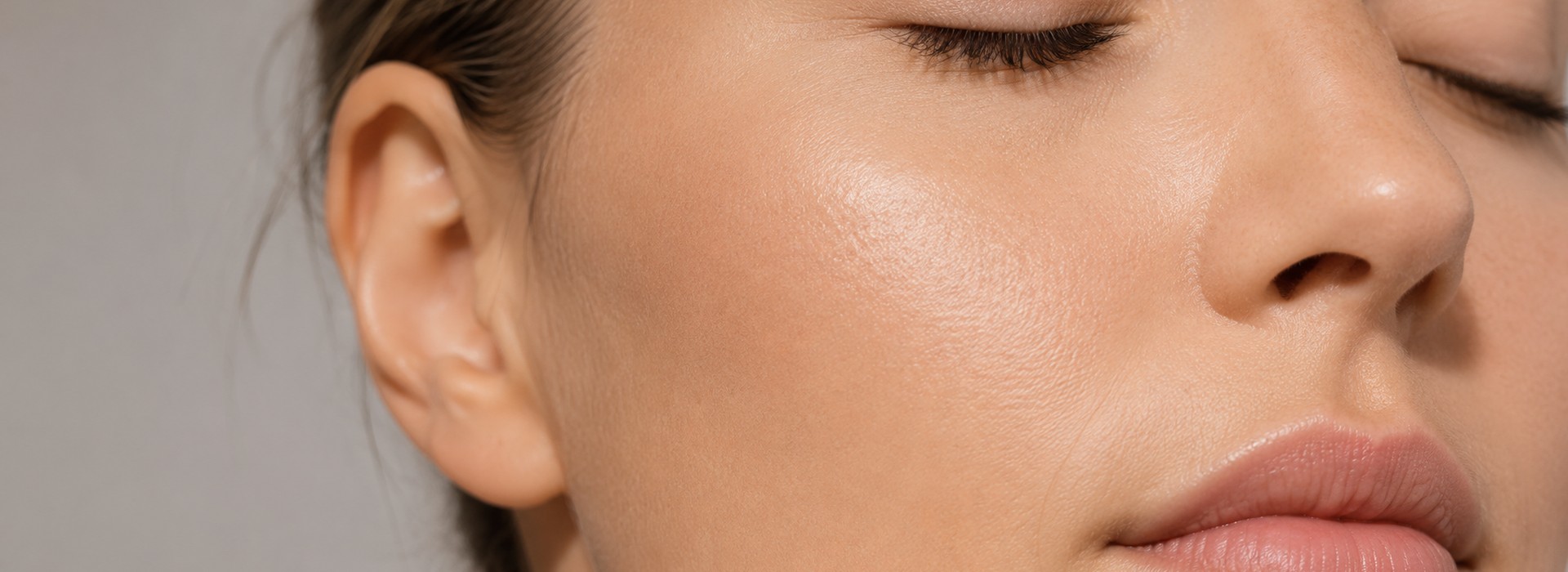
Chemical peels renew the most superficial layer of the skin to improve texture, pigmentation and radiance. We choose the type and intensity according to your skin and your goal, not a standard protocol for everyone.
What it can help with
The idea is simple: the skin's natural renewal is accelerated in a controlled way so the layer left visible is more even and luminous. It treats pigmentation, uneven texture, mild acne and the marks it leaves.
What it improves
This is the technique for when what bothers you is the look and evenness of the skin, not volume or expression.
Pigmentation
Sun spots, melasma or post-inflammatory marks. Needs a protocol and consistency with sun protection.
Uneven texture
Rough skin, enlarged pores or an irregular surface that make-up cannot disguise.
Acne and its marks
Mild to moderate active acne and the superficial marks left once it heals.
Dull skin
Lack of radiance from built-up dead cells and slowed cell renewal.
How it works
We assess your skin type and phototype, choose the intensity and number of sessions, prepare the skin, apply the peel in a 20–30 minute session and give written aftercare.
Levels of intensity
Superficial peels
Gentle renewal with barely any visible reaction. Ideal for periodic maintenance, radiance and preparing for an event. No social downtime.
Stronger peels
Greater renewal capacity for pigmentation and marked texture issues. They involve a few days of visible flaking, so plan them with time to spare.
The choice depends not only on the goal but on your skin type and phototype, the time of year and how much downtime you can accommodate.
Who it may suit
It suits dull skin, mild pigmentation or uneven texture, mild to moderate active acne, and anyone wanting periodic skin maintenance.
Benefits and limitations
Sessions are short, results are progressive and adaptable to each skin type at an accessible cost, but deep or long-standing pigmentation may need several treatments, and stronger peels involve a few days of visible flaking.
What to expect afterwards
First hours
Redness and a feeling of tightness, like after mild sun exposure. With superficial peels it is barely noticeable.
Days 2 to 5
With stronger peels, flaking appears. Never pull it off: it must fall away on its own to avoid pigmentation or scarring.
Afterwards
Brighter, more even skin. The result is cumulative, improving session after session across the protocol.
Non-negotiable: high-factor sun protection every day, including cloudy ones. Also avoid exfoliants, retinoids and acids at home until we say otherwise.
Why Clínica Lubens
We adjust intensity in summer, explain aftercare in writing, and will tell you when it is not the right moment — with a recent tan or irritated skin we prefer to wait.
Pigmentation, uneven texture or dull skin?
We analyse your skin and choose the type and intensity of peel your case needs, with a protocol and aftercare in writing.
Your medical team
These treatments are carried out by doctors with specific training in aesthetic medicine. Their languages and professional registration are shown below.
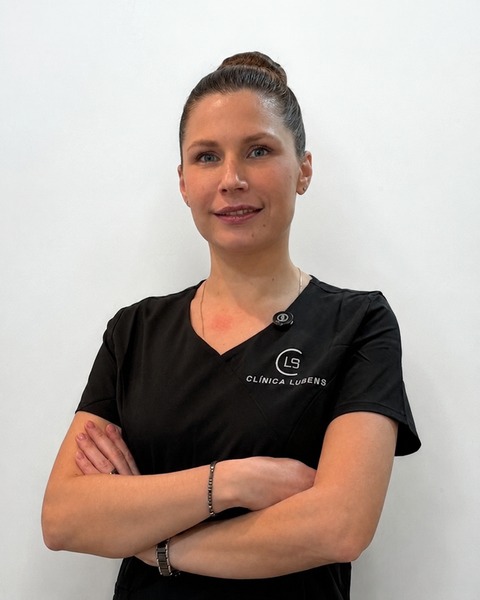
Tatiana Simonova
- Languages
- Español, Русский, Українська
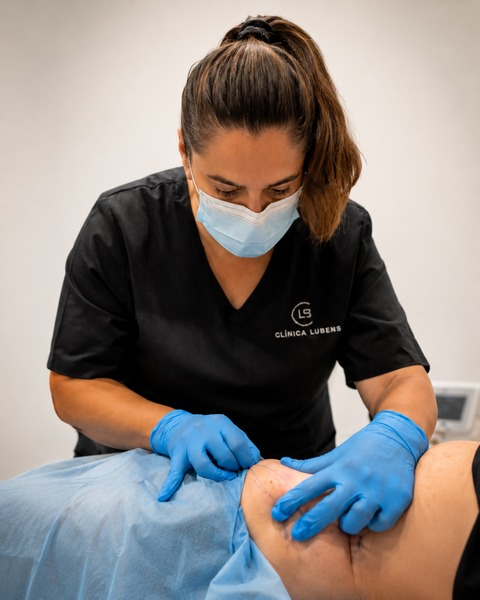
Dra. Alba Gómez Martínez
- Languages
- Español
- Registration
- ICOMV 460311525

Dra. Angie Paola Gonzalez Niño
- Languages
- Español
- Registration
- ICOMV 464628862
Author: Nico Díaz · Editorial coordination
Medically reviewed by: Dra. Alba Gómez Martínez
Reviewed 27/07/2026
Common questions
- What types of peel do you offer?
- We work with different levels of intensity according to your skin and goal, from superficial maintenance peels to stronger ones with greater renewal capacity.
- Does the skin peel afterwards?
- It depends on the type; the most superficial produce barely any visible reaction, while stronger ones can cause mild flaking in the following days.
- How many sessions do I need?
- For texture and pigmentation improvements a protocol of several spaced sessions is usually recommended, normally between three and six depending on the goal and intensity.
- Does it hurt?
- It is not painful. During application it is normal to feel stinging, warmth or mild itching, which lasts a few minutes and is easily managed. We stay with you throughout.
- Can I have one in summer?
- Yes, but we adjust the intensity. Freshly renewed skin is far more vulnerable to sun, so in months of high exposure we use gentler peels and strict sun protection.
- Does it help acne or its marks?
- Yes, it is one of the most frequent indications. It helps both mild to moderate active acne and the superficial marks it leaves. Deep scarring needs other techniques.
- How long until I see results?
- Radiance is noticeable within days. Texture and pigmentation improvements are progressive and consolidate across the full protocol.
- Are there cases where it is not recommended?
- Pregnancy and breastfeeding depending on the active, active infections (such as cold sores), very irritated skin, recent isotretinoin use or a recent tan. We always assess before treating.
Your assessment at Clínica Lubens
- We assess your case and listen to what you would like to improve.
- We explain what is realistically achievable — and what is not.
- You receive a clear written quote, with no obligation.